Prime Reasons to Install Rooflights in Your Home
Adding rooflights to a home provides numerous compelling advantages. They allow abundant natural light to enter, which can boost both mental health and performance. Additionally, rooflights can enhance air circulation and ventilation, creating a more pleasant living space. Their modern design elements also contribute to a home's aesthetic appeal. Homeowners might be curious about how these benefits relate to energy efficiency and higher property values. Investigating these elements can highlight even more convincing reasons to think about installing rooflights.
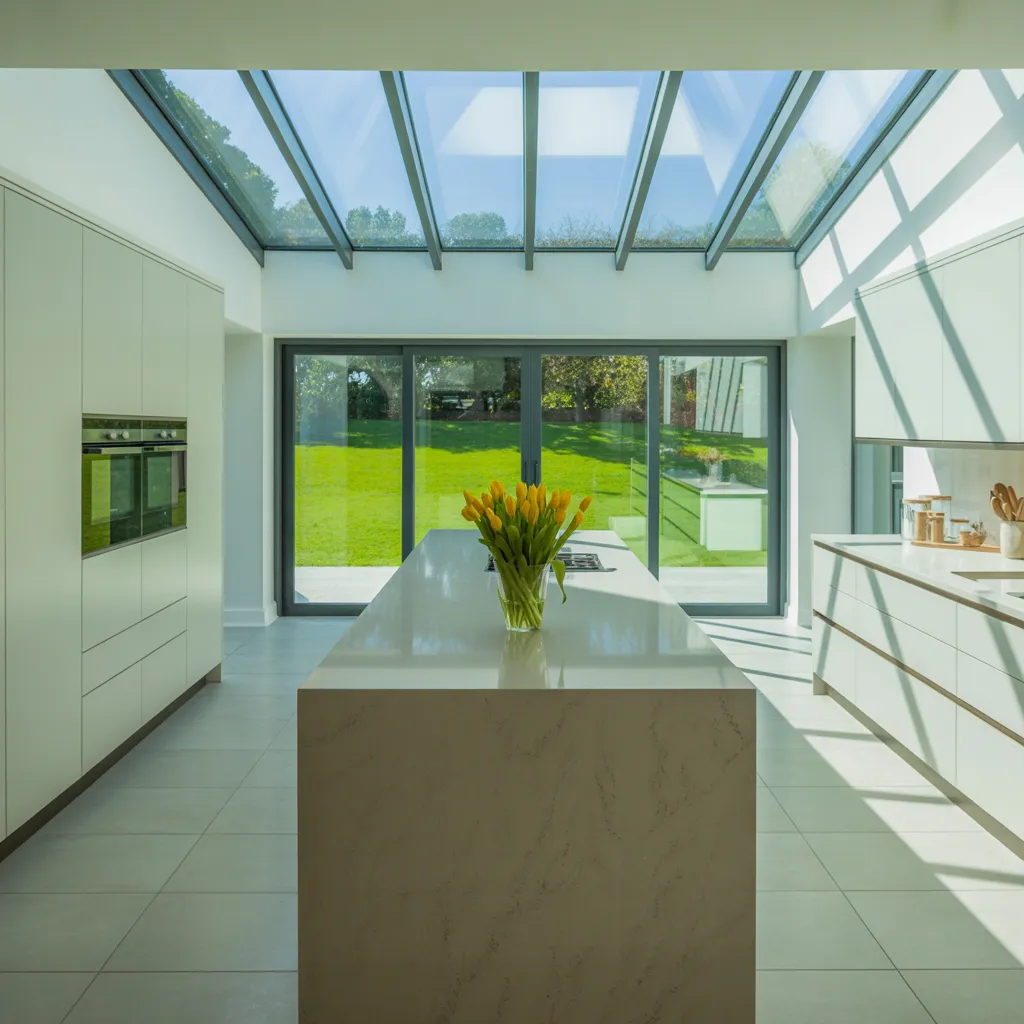
Why Consider Rooflights?
Installing rooflights can greatly enhance a property's visual and practical appeal. They function as a contemporary design element that not only enhances interior lighting but also contributes a remarkable stylistic touch. Many homeowners select rooflights to create a more open and spacious atmosphere, effectively merging indoor and outdoor environments. This combination can enhance the general atmosphere of a space, making it seem more appealing.
Furthermore, rooflights can increase energy efficiency by decreasing the need for artificial lighting during daylight hours. This daylight can contribute to lower electricity bills over time. Rooflights additionally provide an opportunity for enhanced ventilation, facilitating better air circulation within the home. In addition, they can boost property value, as interested purchasers often welcome the contemporary appeal and additional benefits. Thus, installing rooflights can be a strategic investment for homeowners wishing to improve both aesthetics and practicality.
Natural Light and Its Impact on Well-Being
Natural light serves a vital role in boosting overall well-being. Research indicates that increased exposure to daylight can lift mood, raise energy levels, and support better sleep quality. By incorporating rooflights into a home, residents can harness these benefits for a healthier living environment.
Mood Enhancement Through Light
Illumination serves as a remarkable trigger for emotional upliftment, deeply affecting emotional well-being. Daylight, especially through rooflights, can create a tranquil environment that fosters positivity. Scientific evidence suggests that being exposed to natural light triggers a boost in serotonin, a chemical messenger connected to feelings of happiness and relaxation. This enhanced mood can be especially helpful in the darker seasons when sunlight is in short supply. Furthermore, the influx of natural light can alleviate symptoms of anxiety and low mood, promoting a greater sense of emotional equilibrium. By incorporating rooflights into a home, residents can harness the invigorating qualities of natural light, turning their interiors into retreats of calm and positivity, ultimately promoting a healthier, happier lifestyle.
Improved Energy Levels
A strong connection exists between exposure to natural light and better energy levels throughout the day. Natural light acts as a vital source of energy, stimulating the body's production of serotonin, a hormone linked to improved mood and alertness. When individuals encounter sufficient daylight, their circadian rhythms are positively influenced, leading to increased productivity and focus. Rooflights are especially efficient in harnessing this natural illumination, enabling sunlight to fill living spaces, thereby energizing inhabitants. The influx of light not only reduces feelings of exhaustion but also promotes a more dynamic atmosphere. As a result, those who optimize their homes with rooflights often notice increased energy levels and an overall feeling of well-being, making them an indispensable addition to any residential space.
Superior Sleep Quality
Getting quality sleep is vital for general well-being, and exposure to natural light plays a pivotal role in regulating sleep patterns. Rooflights enhance the amount of natural light in living spaces, which can greatly impact circadian rhythms. Greater exposure to sunlight aids in elevating serotonin levels throughout the day, promoting improved mood and higher energy levels. When evening draws near, diminishing light signals the body to release melatonin, the key hormone that induces sleep. This natural process encourages deeper and more restorative sleep. Studies suggest that homes with ample natural light can reduce insomnia and improve overall sleep quality. By fitting rooflights, homeowners can capitalise on the advantages of natural sunlight, fostering healthier sleep habits and greater well-being.
How Rooflights Improve Ventilation and Air Quality
Rooflights serve a vital function in improving residential ventilation and air quality. By promoting enhanced airflow throughout a space, they let stagnant air out while welcoming clean air inside. This natural introduction of fresh air can significantly support a healthier living environment.
Optimized Airflow Distribution
When considering ways to enhance indoor environments, integrating rooflights can greatly improve airflow circulation. Rooflights promote air movement by letting warm air travel upward and out, creating a natural flow that encourages cooler air to enter from below. This method not only aids in preserving an agreeable temperature but also limits the concentration of stale air and household pollutants. By strategically placing rooflights, homeowners can optimize cross-ventilation, enhancing overall air quality. Moreover, the presence of natural light through rooflights works alongside better airflow, resulting in a more appealing and healthier home atmosphere. In summary, fitting rooflights represents a practical approach to improving air circulation throughout the home.
Fresh Natural Air Supply
As many homeowners look for methods to improve indoor air quality, the incorporation of rooflights offers a considerable benefit by improving ventilation. Rooflights facilitate natural air movement, letting trapped air out while pulling clean air in from outside. This approach helps reduce indoor contaminants, allergens, and moisture levels, fostering a cleaner and healthier indoor space. By situating rooflights thoughtfully, homeowners can promote effective cross-ventilation, ensuring that air circulation is maximized throughout the space. Furthermore, the abundance of natural light enhances the fresh air intake, additionally elevating the overall atmosphere. In conclusion, incorporating rooflights not only promotes better air quality but also contributes to energy efficiency, as reduced reliance on artificial ventilation systems lowers energy consumption.
Enhancing Aesthetic Appeal With Rooflights
How does the careful arrangement of rooflights enhance a living area? Rooflights function as an architectural refer now element that elevates the visual charm of any space. By allowing natural light to flood in, they create an open and airy atmosphere, making spaces feel larger and more inviting. The contrast of light and shadows can emphasize architectural elements, bringing focus to detailed craftsmanship and unique textures.
Furthermore, rooflights are able to function as standout features, adding visual interest to previously ordinary ceilings. They come in a wide range of styles and sizes, giving homeowners the ability to match their unique decor. Whether placed in a contemporary minimalist space or a classic environment, rooflights can blend seamlessly with the overall design theme. Beyond this, the perspective of the sky and adjacent landscape through rooflights can evoke a feeling of serenity and harmony with nature, additionally improving the overall ambiance within the home.
Cut Costs With Energy-Efficient Rooflights
Eco-friendly rooflights present homeowners with a viable option for cutting energy costs while boosting natural brightness. By maximizing the entry of daylight, these rooflights decrease reliance on artificial lighting, leading to lower electricity bills. Many models incorporate advanced glazing technology that minimizes heat loss during colder months and reduces heat gain in warmer seasons, contributing to more stable indoor temperatures.
Additionally, making use of natural light can improve overall morale and output, additionally supporting the investment. Property owners may also learn that energy-efficient rooflights meet the criteria for various energy efficiency incentives and rebates, adding to the financial benefits. Beyond this, the careful positioning of rooflights can improve ventilation, reducing the need for air conditioning and further lowering energy expenses. Overall, energy-efficient rooflights represent a compelling option for homeowners seeking to improve their living spaces in terms of sustainability and cost-effectiveness.
Elevate Your Home's Value With Rooflights
Rooflights can significantly boost a home's value, as they not only enhance the visual appeal but also establish a more welcoming and open environment. By allowing natural light to flood into living spaces, rooflights make rooms feel larger and more welcoming. This influx of light can strongly resonate with potential buyers, allowing the home to shine in a demanding real estate market.
Additionally, rooflights are commonly connected to modern architectural trends, which can draw in homebuyers looking for current amenities. The addition of such additions can also signal sustainable living, as they minimise the need for conventional lighting during the day.
Moreover, thoughtfully located rooflights can enhance the overall practicality of a home, making spaces such as kitchens and living rooms more enjoyable. Consequently, investing in rooflights serves not only to enhance the home's aesthetic appeal but also to raise its market value, making it a sound investment for homeowners undertaking renovations.
Commonly Asked Questions
How Do Rooflights Affect a Home's Insulation Properties?
Rooflights have the ability to boost a home's energy efficiency by enabling natural light to flow in while limiting heat escape. When correctly fitted, they increase energy efficiency and reduce reliance on artificial lighting, contributing to overall energy savings and comfort within the space.
What Maintenance Is Required for Rooflights?
Routine upkeep for rooflights includes cleaning the glass, checking for leaks, examining the seals, and ensuring the surrounding roofing is intact. Routine inspections help maintain functionality and prevent potential damage over time, ensuring longevity and efficiency.
Can Rooflights Be Installed in Existing Roofs?
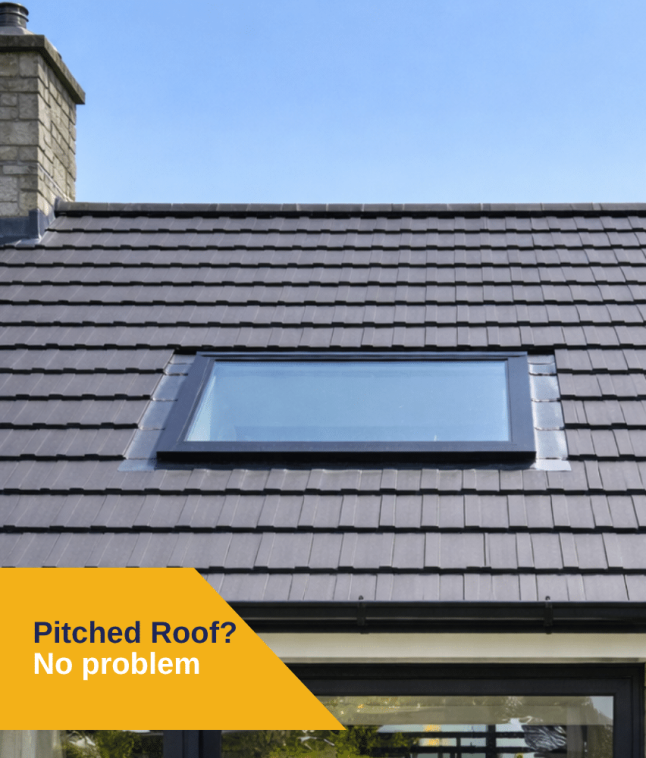
Yes, rooflights can be added to current roof structures, on the condition that the structural integrity remains intact. Expert evaluation is necessary to ensure suitability with the existing roof structure and to meet relevant building regulations along with insulation standards.
Are Building Regulations Required for Installing Rooflights?
Yes, building codes regulate rooflight fitting, guaranteeing energy efficiency, structural integrity, and safety. Adhering to local regulations is crucial, frequently necessitating official planning consent or conformance to particular requirements regarding materials used, size, and placement.
Which Types of Rooflights Are Available on the Market Today?
A wide range of rooflights is available, encompassing fixed, opening, and skylight designs. Manufactured in materials like glass and polycarbonate, delivering solutions for both aesthetics and functionality, serving varied architectural requirements and tastes.