How Your Business Benefits from Commercial Metal Roof Coatings for Long-Term Durability and Safety
Commercial buildings face various environmental challenges that can compromise their structural integrity. Investing in metal roof coatings represents a critical decision for companies prioritizing lasting protection and resilience. These coating solutions offer protection from harmful UV exposure and humidity in addition to boosting energy conservation. Understanding the specific benefits they offer is important for making informed decisions. What factors should business owners consider when evaluating their options? These considerations may significantly influence immediate expenses as well as future sustainability outcomes.
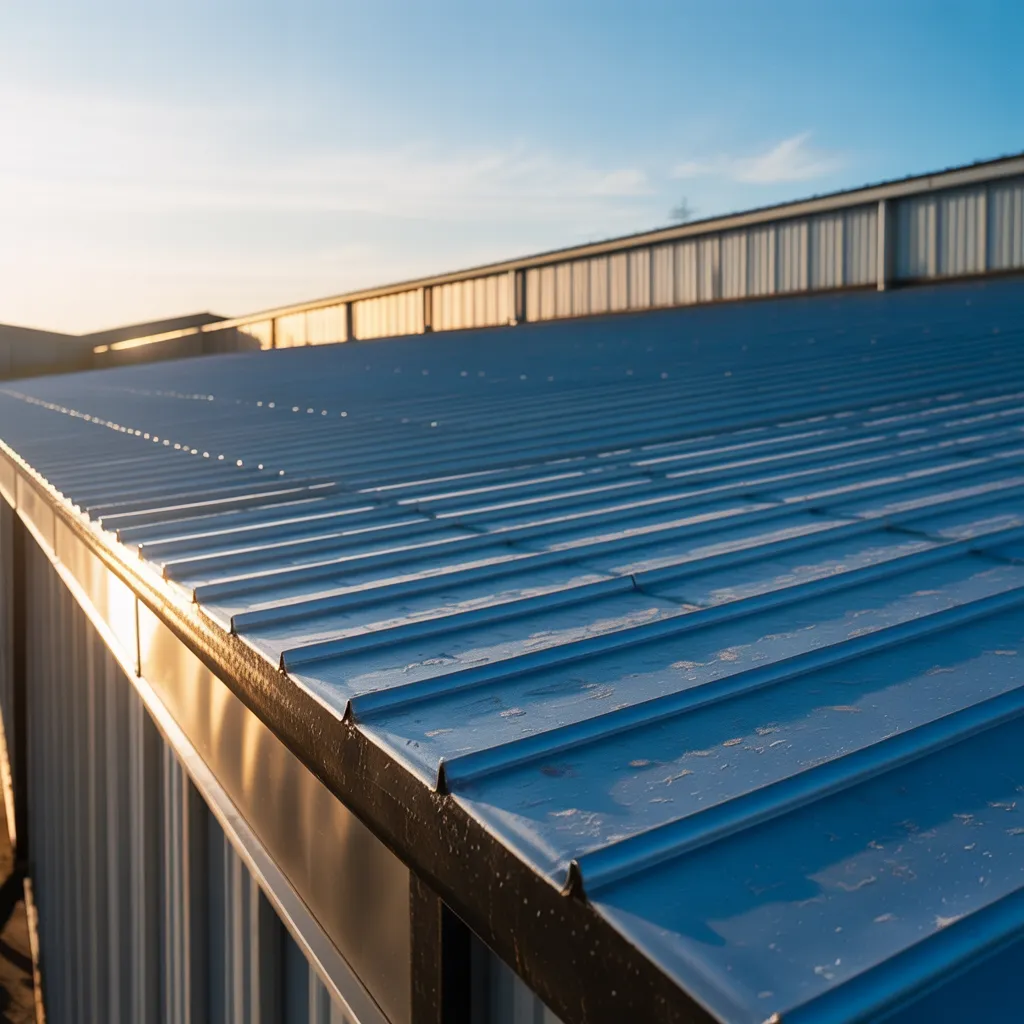
Why Metal Roof Coatings Matter for Commercial Facilities
Metal roofing coatings play a critical role in enhancing the durability and performance of commercial buildings. These coatings serve as a protective barrier, defending the roof from environmental conditions that could cause deterioration. By reflecting sunlight and decreasing heat absorption, metal roof coatings enhance energy efficiency, reducing cooling costs for businesses. The application of a quality coating can also diminish the effects of UV radiation, subsequently minimizing wear and tear on the metal surface.
Furthermore, metal roof coatings enhance the aesthetic appeal of commercial buildings, presenting a selection of colors and finishes that can elevate the overall design. Regular maintenance and recoating can additionally extend the durability of the roof, making it a financially sound solution in the long run. Ultimately, investing in metal roof coatings is a strategic decision for businesses aiming to protect their assets and maintain operational efficiency.
The Protective Benefits of Metal Roof Coatings Against Common Threats
Metal roof coatings offer crucial protection from diverse environmental hazards. They successfully withstand UV radiation, stop moisture penetration and leaks, and assist in controlling temperature variations. These attributes support the lifespan and performance of commercial metal roofing systems.
Ultraviolet Radiation Resistance
Although UV radiation is a common hazard to roofing materials, purpose-built coatings for commercial metal roofs deliver reliable protection. These coatings are designed to reflect harmful UV rays, reducing heat absorption and diminishing the risk of thermal degradation. By incorporating advanced polymers and reflective pigments, these coatings improve the roof's durability, preventing premature fading and discoloration. This resistance to UV radiation not only extends the lifespan of the metal roof but also promotes energy efficiency by keeping indoor temperatures constant. Furthermore, the protective layer helps preserve the structural integrity of the roof, minimizing the likelihood of damage over time. Overall, investing in UV-resistant coatings is crucial for ensuring durable performance and reliability in commercial roofing.
Moisture and Leak Prevention
Strategic moisture management is vital for maintaining the integrity of commercial roofs, and specialized coatings play a key role in this aspect. Metal roof coatings establish a seamless barrier that stops water infiltration, which greatly reduces the risk of leaks. These coatings are formulated to repel moisture, guaranteeing that water does not accumulate on the roof surface. Moreover, they can fill small cracks and imperfections, further improving the roof's waterproofing capabilities. By blocking moisture penetration, these coatings help protect underlying structures from potential damage caused by mold, corrosion, and deterioration. This proactive approach to leak prevention not only prolongs the lifespan of the roof but also decreases costly repairs, making metal roof coatings a critical investment for commercial properties.
Temperature Regulation Benefits
Temperature maintenance is a key component in the performance of commercial metal roofs, and advanced coating systems deliver considerable value in this area. These coatings increase the reflective properties of metal roofs, limiting heat absorption during warm seasons. By reflecting sunlight, they help preserve cooler interior temperatures, lowering the demand for air conditioning and reducing energy costs. In contrast, during winter seasons, specific coatings can deliver insulation benefits, helping to preserve heat within the building. This two-fold functionality not only boosts energy efficiency but also extends roof lifespan by reducing thermal expansion and contraction. Finally, effective temperature regulation through metal roof coatings leads to a more comfortable indoor environment timely resource while defending the roof from typical thermal-related issues.
Electrical Efficiency: How Exactly Metal Roof Coatings Lower Energy Bills
How do metal roof coatings significantly affect energy costs? Metal roof coatings improve energy efficiency by reflecting solar radiation, consequently reducing heat absorption. This reflective property maintains buildings cooler during hot months, causing lower reliance on air conditioning systems. As a result, businesses experience significant reductions in energy bills.
Moreover, these coating systems aid in maintaining uniform indoor temperatures, lessening the demand for heating during cold weather. By enhancing overall thermal performance, metal roof coatings lead to a more stable environment within the facility. This stability leads to additional energy savings over time.
Additionally, the durability of metal roofs, paired with their energy-efficient coatings, can contribute to lower operational costs. As businesses progressively emphasize sustainability, the use of energy-efficient coatings corresponds with environmentally responsible practices. In general, investing in metal roof coatings not only extends the building's lifespan but also significantly decreases energy expenses, making it a sensible choice for property owners.
Cost Reductions: Minimized Maintenance Charges
While many property owners focus on initial installation costs, metal roof coatings significantly decrease long-term maintenance expenses. These coatings work as a protective barrier, safeguarding the underlying metal from severe weather elements, UV radiation, and corrosive elements. This protection lessens the risk of rust and deterioration, which can cause costly repairs or premature roof replacement.
In addition, with lessened wear and tear, the frequency of maintenance inspections and minor repairs diminishes. Numerous businesses observe that their overall upkeep costs reduce significantly after applying a quality metal roof coating. Additionally, these coatings can increase the roof's lifespan, further contributing to savings by postponing the need for a new roof installation. By investing in metal roof coatings, property owners not only preserve their investments but also realize lower maintenance expenses, making it a financially smart choice for long-term sustainability.
How to Pick the Perfect Roof Coating for Your Company
Picking the perfect roof coating for a business can significantly affect its lifespan and performance. Initially, it is crucial to examine the unique needs of the building, including weather conditions, roof angle, and exposure to UV rays. Various coatings, such as acrylic, silicone, or polyurethane, offer different levels of durability and protection against water and weather elements.
Next, evaluate the coating's reflective properties and energy efficiency ratings, as these factors can impact cooling costs and overall energy consumption. Furthermore, review the manufacturer's warranty and the coating's lifespan to provide long-term value.
It's also vital to assess the application process, as some coatings call for professional installation while others can be applied as a DIY project. Lastly, budget constraints should be accounted for, balancing upfront costs against potential long-term savings in maintenance and energy bills. Making an informed choice can bring about enhanced performance and reduced expenses.
Optimal Methods for Preserving Your Metal Roof Coating
After choosing the suitable roof coating, preserving its integrity becomes essential for maximizing its performance. Regular inspections should be conducted at least two times annually to spot any signs of wear, damage, or degradation. Cleaning the roof surface is essential; debris, dirt, and algae can undermine the coating's effectiveness. Using a soft brush and mild detergent confirms the surface remains clean without causing damage.
Additionally, any problems such as scratches or peeling should be resolved promptly with touch-up paint or sealant to avert further breakdown. Verifying proper drainage is also important; debris-filled gutters can create water accumulation, which may undermine the coating over time. Ultimately, consulting with a professional for routine maintenance checks can offer essential insights and work to lengthen the lifespan of the roof coating. Implementing these best practices will confirm the metal roof remains preserved and works at its best for years to come.
Common Questions
What Is the Lifespan of Metal Roof Coatings Typically Last?
Metal roof coatings usually last between 10-20 years, contingent upon factors including the grade of the coating, application methods, and environmental conditions. Proper maintenance can considerably extend their longevity.
Do Different Metal Types Require Specific Coatings?
Yes, particular coatings are created for different metal varieties, such as galvanized steel, aluminum, and copper. Each coating addresses distinct characteristics and environmental elements, delivering ideal adhesion, protection, and longevity matched to the metal's specific attributes.
Can Coatings Be Applied in Wet Conditions?
Coatings typically need moisture-free environments for best bonding and effectiveness. Employing them in humid circumstances can lead to attachment difficulties, compromising the coating's efficacy and service life, finally impacting the preservation and strength of the metal surface.
What's the Process for Installing Roof Coatings?
Installing roof coatings requires preparing and cleaning the surface, applying primer as needed, and then uniformly distributing the coating by means of brushes, rollers, or sprayers. Appropriate curing time is vital for optimal adhesion and performance.
When Is It Time to Reapply the Coating?
Roof coating reapplication becomes necessary when evidence of deterioration emerges, like fading, cracking, or peeling. Regular inspections every few years can aid in identifying the optimal timing for reapplication, ensuring ongoing protection and performance.